The Nazi Seizure of The Rendezvous
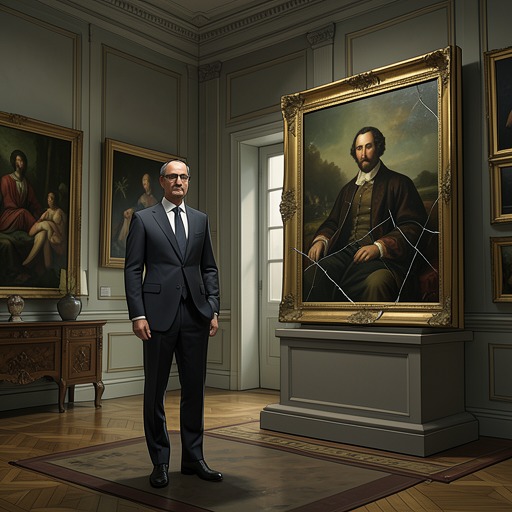
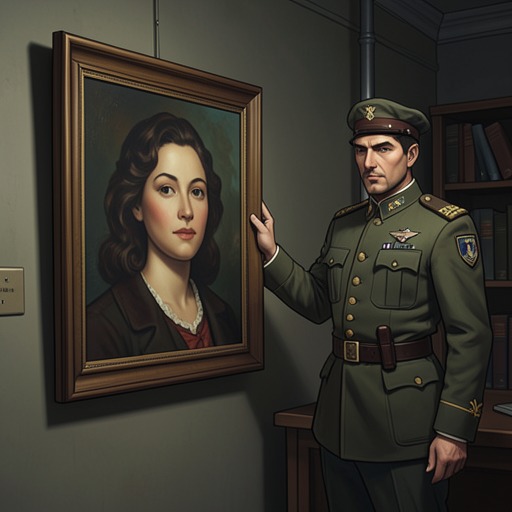
The Reincarnationist PapersThe Nazi seizure of The Rendezvous was a personal rupture as well as the removal of an artwork: after keeping it in his Amsterdam home for more than two hundred and fifty years, its owner described losing part of himself when it was taken from the wall. The painting’s value lay not only in its artistic history but in its intimate connection to Jan Vermeer and to the owner’s former life as Emil Restoud.
The Painting and Its History
The Rendezvous began as a portrait of Emil Restoud, painted by Jan Vermeer. The sittings lasted a week, with ten hours of work each day. Vermeer’s painstaking pace kept Restoud in position for hours; when Restoud shifted, Vermeer would patiently reset him. Restoud eventually began moving deliberately, so Vermeer would come over to adjust his pose. By the fourth day, the two had become lovers, and Vermeer called the painting The Rendezvous—a title Restoud felt suited what had happened between them.
The painting was uniquely personal to Restoud: he later described it as the only portrait he had of himself as Emil. In the fall of 1674, he bought three more works from Vermeer, at five hundred silver francs apiece, and Vermeer delivered them in person. Vermeer died the following year. That brief chronology gives the portrait a double inheritance: it records a relationship formed during its making and survives as a singular likeness of Restoud’s earlier identity.
A Long Place in the Home
Restoud kept The Rendezvous in his Amsterdam home for more than two and a half centuries. It hung in the same room where Vermeer had painted it. The account does not specify the exact date or circumstances of the seizure, but it makes clear that the painting remained in this private setting until it was taken by the Nazis.
That duration and setting distinguish the loss from the ordinary movement of a work through a collection. The portrait had remained close to the place of its creation and to the person whose likeness it preserved. Its long presence in the room made the home itself part of the painting’s history; seizure broke that continuity.
The Seizure and Its Consequence
Restoud remembered the taking as an intimate violation, saying that he had lost part of himself when the painting was removed from his wall. The description links the material loss directly to the portrait’s personal meaning: it was not simply one treasured work among many, but the only image he retained of himself as Emil and a lasting connection to Vermeer, whom he had loved.
The account does not say who physically removed the painting, where it went, or what happened to it immediately afterward. Its emphasis instead falls on the severance: an artwork that had remained in a private home for centuries was taken away, and with it went a unique record of a former self and a relationship. In the wider history of The Rendezvous, that loss helps explain why its later fate mattered so intensely to its keeper.